San Antonio drivers deal with a kind of punishment most car owners never think about. Between the relentless sun, the sudden hailstorms, and the dust that blows in from every direction, a vehicle’s paint here works overtime just to look normal. That’s exactly why Ceramic Coating in San Antonio, TX, has become less of a luxury add-on and more of a practical necessity for anyone who wants their car to age gracefully. At Alamo Auto Aesthetics, we see the damage firsthand every single week, and it’s rarely subtle.
Most owners don’t realize how much wear their paint takes on until it’s already happened. A car that looked showroom fresh a year ago starts showing faint fading on the hood and roof, the two panels that catch the most direct sun. Add in mineral-heavy tap water, road debris from ongoing construction, and the occasional hailstorm, and you’ve got a recipe for paint that ages years ahead of schedule. Understanding why this happens, and what actually protects against it, makes it a lot easier to decide whether ceramic coating belongs on your maintenance list.
The Texas Sun Problem
Let’s talk about the sun for a second, because it’s the real villain in this story. San Antonio isn’t just warm; it’s a city where the sun feels like it has something to prove. Cars parked outside for even a few hours can reach surface temperatures that would make an egg sizzle on the hood. That kind of exposure adds up fast.
UV Rays and Paint Fading
Ultraviolet rays break down the molecular structure of automotive paint over time. Think of it like a slow sunburn that never heals. The clear coat, which is supposed to be your paint’s shield, starts to oxidize and lose its shine. Colors that once looked deep and glossy start to look chalky and flat. This isn’t a maintenance issue you can fix with a quick wash. It’s chemical degradation, and once it starts, reversing it gets expensive.
Extreme Heat Swings and Your Clear Coat
Here’s the part people don’t expect. San Antonio doesn’t just get hot; it swings. A scorching afternoon can drop into a cool evening, and that expansion and contraction stresses the clear coat at a microscopic level. Tiny cracks form. Moisture and pollutants sneak into those cracks. Over a few years, this cycle quietly wears down paint that would otherwise last a decade or more.
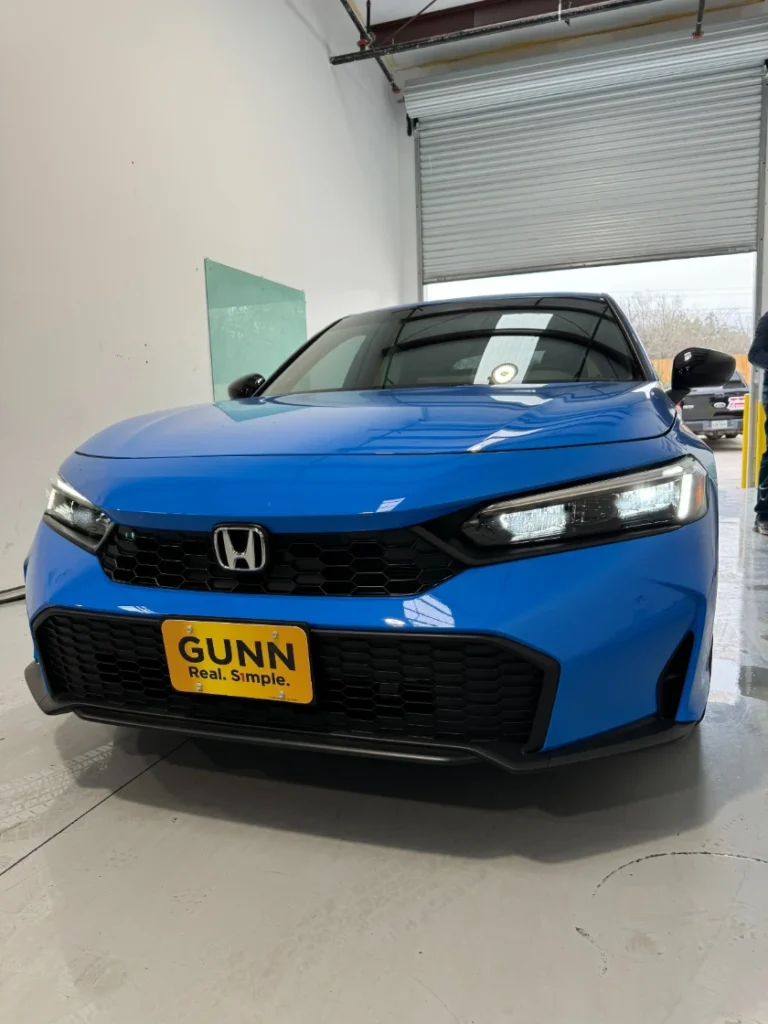
Ceramic Coating for San Antonio Drivers
What Makes Ceramic Coating in San Antonio, TX Different From Wax
You’ve probably heard your dad or your uncle swear by carnauba wax. And sure, wax has its place. But it’s not built for this climate, not even close.
How the Coating Bonds to Your Paint
Ceramic coating works on a completely different level. Instead of sitting on top of the paint as wax does, it forms a semi-permanent chemical bond with the clear coat itself. Picture it as adding an extra layer of armor that becomes part of the car rather than something resting on the surface. This bond is what gives the coating its resistance to UV rays, chemical stains, and minor abrasions.
Durability Compared to Traditional Wax
Wax typically lasts a few weeks before it breaks down and washes away. A properly applied Ceramic Coating Application in San Antonio, TX, can last anywhere from two to five years, depending on the product tier and how well the car is maintained afterward. That’s not a small difference. It’s the gap between reapplying protection every month and genuinely forgetting about it for years at a time.
Local Driving Conditions That Take a Toll on Your Vehicle
It’s not just the sun. San Antonio’s roads and air throw a lot at your paint, and most of it happens without you even noticing until the damage is already there.
Road Grime, Tar, and Construction Dust
With all the highway expansion projects around the city, from Loop 1604 to the constant work near I-35, cars pick up tar, brake dust, and construction grit on a near-daily basis. These contaminants aren’t just dirt. Many of them are acidic or abrasive enough to etch into unprotected paint if they sit there too long, especially under direct sun.
Hard Water Spots From San Antonio’s Minerals
San Antonio’s water supply carries a noticeable mineral content, which means hard water spots are a real problem here. When water evaporates off a hood or windshield, it leaves behind calcium and magnesium deposits that can bond to paint and glass. Given enough time, these spots etch permanently into the clear coat, leaving a cloudy, spotted texture that no amount of washing can undo.
The Real Benefits of Auto Ceramic Coating in San Antonio, TX
So what does all this protection actually translate into for the average driver? Quite a lot, honestly:
- Longer-lasting shine that resists fading from constant sun exposure
- A slicker, smoother surface that sheds dirt, pollen, and grime more easily
- Added resistance to minor chemical stains from bird droppings, tree sap, and bug residue
- Reduced risk of hard water spots etching into the clear coat
- Less frequent need for waxing or polishing over the life of the coating
Protection From Oxidation
Since the coating creates a sealed barrier over the clear coat, oxygen and UV exposure have a much harder time breaking down the paint’s chemical structure. This means your car holds onto that deep, glossy look for years instead of fading into a dull, tired version of itself.
Easier Cleaning and Long-Term Maintenance
Here’s something owners love once they experience it: washing the car gets genuinely easier. Dirt, pollen, and grime don’t cling to the surface the way they used to. A quick rinse often does the job that used to require scrubbing.
The Hydrophobic Effect Explained
This ease of cleaning comes down to something called the hydrophobic effect. Water literally beads up and rolls off a ceramic-coated surface instead of spreading out and drying into spots. Imagine water hitting a freshly waxed umbrella versus a dry sponge. That’s roughly the difference in how coated versus uncoated paint reacts to rain, sprinklers, or a garden hose.
What to Expect From a Professional Ceramic Coating Application in San Antonio, TX
Getting this done right isn’t a one-step process, and understanding what happens behind the scenes helps set realistic expectations.
Paint Correction Comes First
Before any coating goes on, the paint needs to be corrected. This means removing swirl marks, light scratches, and old oxidation through careful polishing. Skipping this step and coating over imperfections just locks those flaws in permanently, which defeats the purpose entirely.
Curing Time and Early Aftercare
Once applied, the coating needs time to cure, usually somewhere between 24 and 72 hours depending on humidity and temperature. During this window, the car should stay out of rain and avoid washing. Most professional shops, including ours, walk customers through a short aftercare guide so the bond has the best possible chance to fully set.
Common DIY Mistakes That Cost More Later
Home applications frequently go wrong in small but costly ways. Uneven application leads to streaking. Applying it in direct sunlight causes the product to flash too fast, leaving high spots. Skipping paint correction locks in existing swirls. What starts as a money-saving weekend project often ends up costing more once a professional has to correct it later.
A few other issues show up more often than people expect. Using the wrong applicator pad can leave faint scratch marks that only become visible once the coating cures. Rushing the buffing step often leaves a hazy film that’s genuinely difficult to remove without professional-grade polish and equipment. And because most DIY kits don’t include a real paint correction stage, any existing swirl marks or light scratches end up sealed under the coating instead of removed, which means they’re stuck there for years. By the time a car owner brings the vehicle in to fix these issues, the job usually involves stripping the failed coating first, which adds both time and cost that a proper professional application would have avoided from the start.
Choosing the Right Shop for Ceramic Coating in San Antonio, TX
Not every shop offering this service delivers the same quality, and picking the right one matters more than people realize. The ceramic coating market has grown quickly over the past few years, and that growth has brought in a mix of experienced detailers alongside newer shops still learning the process. Since the coating itself is meant to last years, choosing carelessly here can mean living with a mediocre result for a long time.
Experience tends to show in the details. At Alamo Auto Aesthetics, every ceramic coating follows a proven process that includes thorough paint correction, meticulous surface preparation, precise coating application, and proper curing instead of treating each vehicle as a one-off experiment. We also believe in complete transparency by clearly explaining the coating brand, the number of layers applied, and the expected lifespan, so you know exactly what you’re getting before any work begins.
Questions Worth Asking Before You Book
Ask about the specific coating brand being used, the expected durability in years, whether paint correction is included, and what the warranty covers. A shop confident in its work will answer these clearly without hesitation.
A few other questions are worth adding to that list. Ask how long the vehicle needs to stay at the shop, since a rushed job often means skipped steps. Ask whether the quoted price includes a full paint decontamination and correction, or whether that’s billed as a separate service. It also helps to ask how the shop handles touch-ups or reapplications if an issue shows up within the warranty period. Getting straight answers to these questions upfront tends to say a lot about how the rest of the experience will go, and it can save you from an unpleasant surprise once the invoice arrives.
Conclusion
At the end of the day, ceramic coating isn’t about chasing showroom shine for the sake of it. It’s about giving your car a fighting chance against a climate that doesn’t let up. From scorching summers to mineral-heavy water and constant road debris, San Antonio throws a lot at unprotected paint. A proper Ceramic Coating Application in San Antonio, TX addresses these challenges directly, and the payoff shows up in resale value, appearance, and reduced maintenance for years down the road.
Whether you’re driving a brand new vehicle or trying to preserve one that’s been on the road for years, the same basic truth applies. Paint left unprotected in this climate ages faster than it should, and once the damage sets in, there’s no quick fix waiting on the other side. Taking the time now to understand your options, ask the right questions, and choose a shop that does the work properly is a small investment compared to the cost of restoring paint that’s already been through years of Texas sun.
Frequently Asked Questions
1. How long does Ceramic Coating in San Antonio, TX actually last on a car?
Most professional-grade ceramic coatings last between two and five years, depending on the product tier used and how consistently the car is maintained afterward. Vehicles exposed to heavy sun and road grime year-round may see coatings closer to the two-year mark, while well-maintained cars can stretch past five.
2. Does Auto Ceramic Coating in San Antonio, TX eliminate the need for regular car washes?
No, washing is still necessary, but the coating makes each wash faster and easier since dirt, pollen, and grime don’t bond to the surface as stubbornly. Most owners find a quick rinse does the job that used to require scrubbing.
3. Can Car Ceramic Coating in San Antonio, TX fix existing scratches or swirl marks?
No, ceramic coating doesn’t remove existing imperfections. Paint correction has to happen first to address scratches, swirl marks, and oxidation before the coating is applied; otherwise, those flaws get sealed in permanently.
4. Is a Ceramic Coating Application in San Antonio, TX worth it for an older vehicle?
Yes, in many cases. Protecting existing paint from further oxidation and fading can actually improve a car’s resale value, even on older vehicles, by helping it hold onto a cleaner, well-kept appearance.
5. How soon can I wash my car after a Ceramic Coating Application in San Antonio, TX?
Most shops recommend waiting at least a week before the first wash, though the coating typically cures enough for light exposure within 24 to 72 hours depending on humidity and temperature.