 Skip to content
The Best Type of Paint Protection for San Antonio Drivers
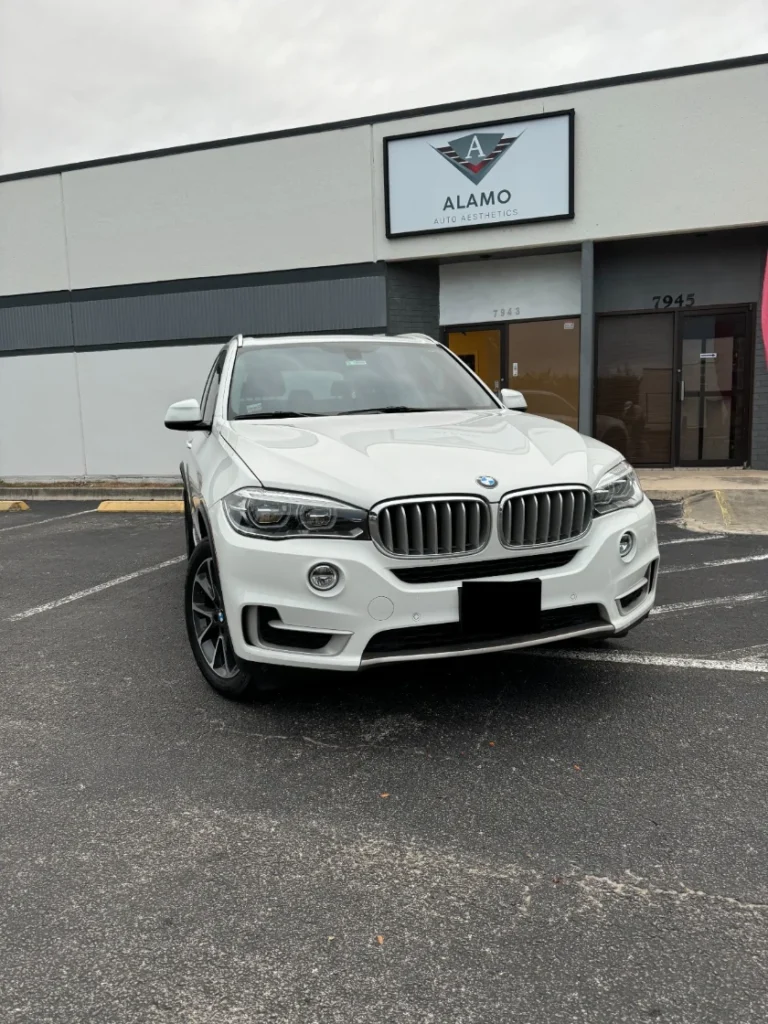
San Antonio’s climate brings tough conditions for vehicle paintwork. Strong sunlight, temperature swings, and occasional hail can lead to fading, oxidation, and surface damage when a car isn’t protected. At Alamo Auto Aesthetics, we guide local drivers in choosing the right solution to preserve their vehicle’s finish, especially Paint Protection Film (PPF) in San Antonio, which provides strong defense against long term wear and environmental impact. This guide will explore the best paint protection options available for San Antonio drivers, comparing their benefits, durability, and cost-effectiveness. Paint Protection Type Durability Protection Level Maintenance Cost Paint Protection Film (PPF) 5-10 years Excellent (chips, scratches, UV) Low High Ceramic Coating 2-5 years Very Good (UV, water spots, dirt) Low Moderate Car Wax 1-3 months Basic (shine, minor dirt repellent) High Low Key Takeaways Why Paint Protection is Essential for San Antonio Drivers San Antonio’s environment is harsh on vehicle paint due to: To keep your car’s paint looking new, investing in the right paint protection is a smart decision. Paint Protection Film (PPF): The Ultimate Shield What is PPF? Paint Protection Film (PPF) is a thermoplastic urethane film applied to the exterior of a vehicle to prevent scratches, rock chips, and chemical damage. It is virtually invisible and has self-healing properties, meaning minor scratches disappear with heat. Pros of PPF: Cons of PPF: Best for: If you’re wondering whether paint protection film is worth the investment, the long-term benefits and protection it offers make it an excellent choice for San Antonio’s harsh climate. Ceramic Coating: Long-Lasting Shine and Protection What is Ceramic Coating? Ceramic coatings are liquid polymer coatings that bond chemically with the car’s paint, creating a hydrophobic surface that repels water, dirt, and contaminants. Pros of Ceramic Coating: Cons of Ceramic Coating: Best for: Car Wax: Affordable and Basic Protection What is Car Wax? Car wax is a natural or synthetic product that provides a temporary layer of protection and enhances a car’s shine. It must be reapplied frequently. Pros of Car Wax: Cons of Car Wax: Best for: Which Paint Protection is Right for You? Consider the following when choosing the best option: Recommended Combinations: Conclusion San Antonio drivers face unique challenges when it comes to maintaining their vehicle’s paint. Paint Protection Film (PPF) is the best choice for long-term defense against chips and scratches, while Ceramic Coating offers excellent UV resistance and hydrophobic properties. Car Wax remains a budget-friendly option for temporary shine and protection. Choosing the right paint protection depends on your budget, driving conditions, and maintenance preferences. Investing in high-quality paint protection now will save you money in repairs and keep your vehicle looking pristine for years to come.
Gloss vs Matte Paint Protection Film (PPF): Which One Should You Choose?
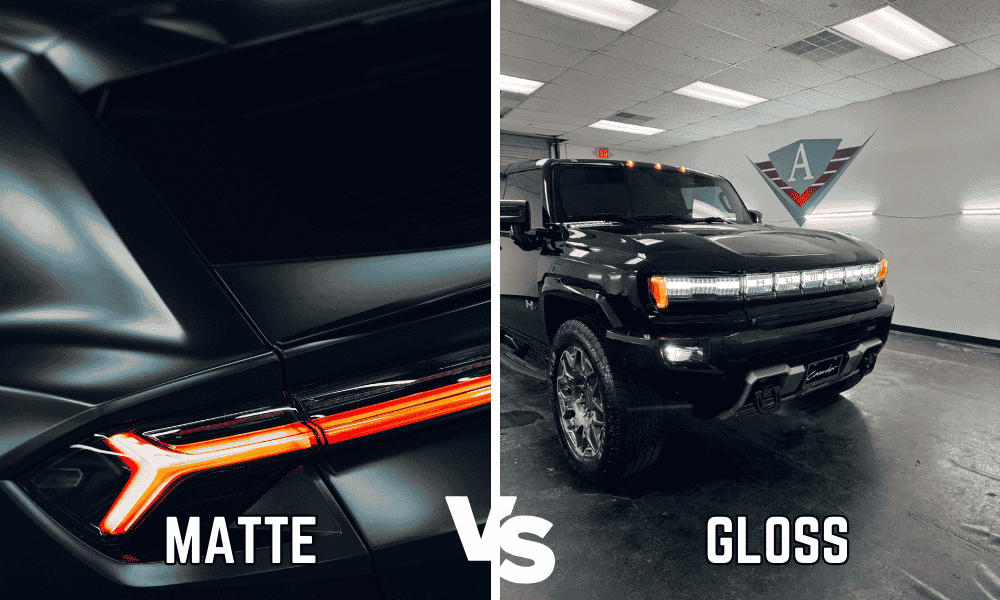
Car enthusiasts and everyday drivers alike want to keep their vehicles looking pristine. Paint protection film (PPF) services are one of the best ways to preserve your car’s finish from scratches, rock chips, and UV damage. But when it comes to choosing between gloss and matte PPF, which one is right for you? Each type of PPF offers unique aesthetic and functional benefits. Whether you’re looking to maintain your car’s original shine or transform it with a sleek matte finish, this guide will help you make an informed decision. Quick Comparison Table Feature Gloss PPF Matte PPF Finish High-shine, enhances gloss Soft, satin, or matte finish Appearance Maintains factory gloss paint look Converts glossy paint to matte Scratch Resistance High High Self-Healing Properties Available in premium films Available in premium films UV & Chemical Resistance Yes Yes Ease of Maintenance Requires regular washing & waxing Requires special care to avoid stains Best For Cars with gloss paint, those wanting a polished look Cars with matte paint or those wanting a unique look Key Takeaways What is Paint Protection Film (PPF)? PPF is a transparent urethane film applied to a vehicle’s exterior to protect it from rock chips, scratches, UV rays, and chemical stains. It’s often used on high-impact areas like the front bumper, hood, fenders, and side mirrors, though some owners opt for full-body coverage. Proper installation is crucial, so be sure to watch for signs your PPF was installed incorrectly to avoid issues with either finish type. The two most popular finishes available are gloss and matte, each catering to different aesthetic preferences and car finishes. Gloss Paint Protection Film: Features & Benefits 1. Enhances and Preserves Factory Shine Gloss PPF is designed to boost the existing glossiness of your vehicle’s paint, making it appear deeper and more vibrant. It works particularly well on cars with metallic or pearlescent paints, as it enhances their natural reflections. 2. Self-Healing Properties High-quality gloss PPF comes with self-healing capabilities, meaning minor scratches and swirl marks disappear with heat exposure from the sun or warm water. With proper care, understanding how long paint protection film lasts helps you maintain these self-healing properties for years. 3. Easy to Clean and Maintain Since gloss PPF has a smooth surface, dirt, water, and contaminants slide off more easily, making it easier to clean than matte films. Routine washing and occasional waxing help maintain its shine. 4. Best for Glossy Cars If you love the factory-fresh, showroom look, gloss PPF is the ideal choice. It enhances luxury vehicles, sports cars, and daily drivers who want to maintain their factory appearance. Matte Paint Protection Film: Features & Benefits 1. Unique Satin or Matte Finish Matte PPF transforms gloss paint into a sophisticated, stealthy matte look, perfect for those seeking a more understated yet aggressive appearance. 2. Same Protection, Different Look Matte PPF provides the same level of scratch, stain, and UV protection as gloss PPF but with a non-reflective surface. 3. Requires Special Maintenance Unlike gloss PPF, matte finishes require specialised cleaning products to avoid shiny spots from improper washing. Using matte-specific sealants ensures longevity without altering the finish. 4. Ideal for Matte & Satin Paint Jobs Matte PPF is perfect for vehicles that already have a matte finish or for those who want to change their car’s look without a permanent repaint. Gloss vs Matte PPF: Which One Should You Choose? Your choice between gloss and matte PPF depends on: Frequently Asked Questions 1. Can you put gloss PPF on a matte car? No, gloss PPF will add shine to a matte finish, altering its look. If you want to keep your matte paint intact, use matte PPF. 2. Can I wax my matte PPF? No, traditional waxes can add unwanted shine. Use matte-specific sealants instead. 3. Does PPF affect resale value? Yes, in a positive way. PPF helps preserve the original paint, which is a major selling point for used cars. 4. Is PPF worth the investment? Absolutely. PPF prevents paint damage, reduces maintenance costs, and enhances long-term resale value. For a detailed breakdown, explore whether paint protection film is worth it for your specific vehicle and needs. Conclusion Both gloss and matte paint protection films offer exceptional protection, but the right choice depends on your desired aesthetic and maintenance preferences. If you want to enhance your car’s shine, go with gloss PPF. If you’re after a stealthy, satin look, matte PPF is the way to go. Whichever you choose, PPF is an investment in your vehicle’s longevity and aesthetics. Protect your car’s finish, maintain its value, and enjoy the ride with the right PPF for your needs.
Paint Protection Film For Cars – Is It Worth It?
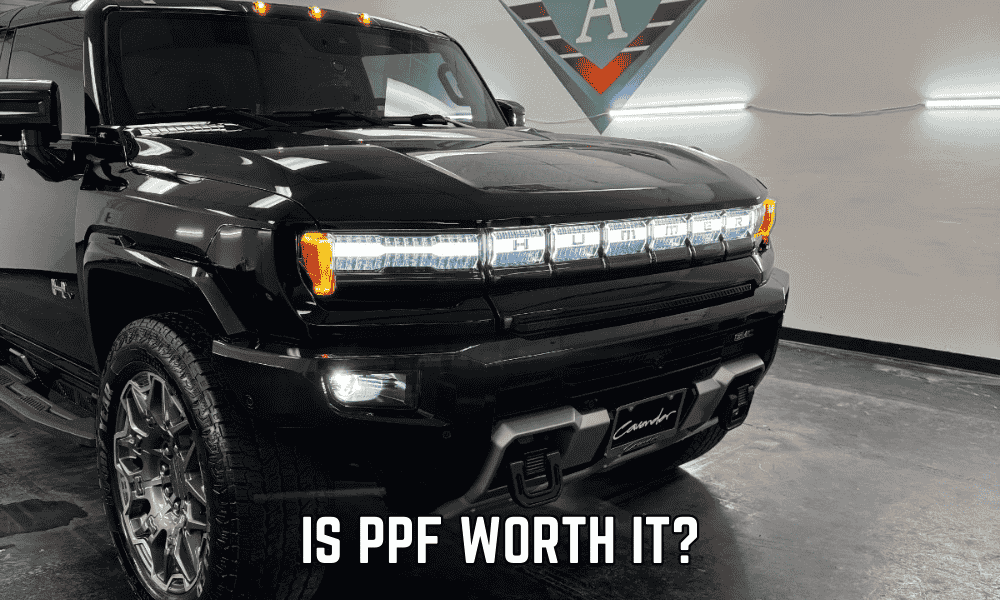
When it comes to keeping your car looking new for longer, paint protection film services have quickly become a popular solution for car owners. This transparent, durable film is designed to protect your vehicle’s paintwork from a range of damaging elements. But is it really worth the investment? In this guide, we’ll explore the benefits, costs, and factors to consider when deciding whether paint protection film is right for your vehicle. Key Takeaways: What Is Paint Protection Film (PPF)? Paint protection film, also known as clear bra, is a self-healing, transparent layer of urethane that is applied to a vehicle’s exterior. It serves as a shield against environmental hazards like rocks, road debris, tree sap, bird droppings, and even harsh weather conditions. The film is virtually invisible, which means it won’t alter the car’s appearance. This protective layer also boasts self-healing properties, meaning it can repair minor scratches and swirl marks caused by daily driving. For those who want to maintain their car’s pristine condition for years, PPF can be an essential investment. The Benefits of Paint Protection Film for Cars 1. Protection from Scratches and Chips One of the main reasons car owners opt for PPF is its ability to protect the vehicle from scratches and chips caused by rocks, road debris, and other hazards encountered during daily driving. The film acts as a shield, absorbing the impact from these particles and preventing them from damaging the underlying paint. 2. Defends Against Harsh Environmental Elements Exposure to sun, rain, and chemicals can degrade your car’s paint over time. For drivers in hot climates, understanding the best paint protection options for San Antonio ensures you choose the right solution for your environment. UV rays can cause fading, while bird droppings, tree sap, and road salt can lead to stains. PPF helps to protect the paint from these contaminants, ensuring that your car stays looking fresh. 3. Easy to Clean Since paint protection film is smooth and hydrophobic, it repels dirt, water, and contaminants. This makes it easier to clean your car, as dirt is less likely to stick to the surface. You’ll spend less time washing your vehicle and won’t need to worry about damaging your car’s finish with aggressive cleaning techniques. 4. Preserves Resale Value A well-maintained car will have a higher resale value. By applying PPF to high-impact areas such as the front bumper, side mirrors, and door edges, you are preserving the car’s paint from the wear and tear of daily use. This can potentially increase the resale value of your vehicle when it comes time to sell or trade it in. 5. Self-Healing Properties PPF films have a remarkable self-healing ability. Minor scratches that occur on the surface of the film will disappear when exposed to heat or sunlight. This makes the film an excellent choice for car owners who want to maintain the appearance of their vehicle with minimal effort. How Much Does Paint Protection Film Cost? The cost of installing PPF varies based on several factors, including the size of the vehicle, the areas to be covered, and the quality of the film. On average, you can expect to pay between £400 and £1,500 for a standard PPF application, depending on whether you’re covering just the front-end or applying a full vehicle wrap. Here is a general breakdown of costs: Service Type Price Range Partial Front Protection (bumper, hood, mirrors) £400 – £800 Full Car Coverage £1,000 – £1,500 Custom Installations (specific panels) Varies The higher the quality of the paint protection film, the more you will pay. Premium films, like those from 3M or XPEL, often come with enhanced self-healing capabilities and added durability, which might justify the higher cost for some owners. While the upfront investment might seem high, it can save you money in the long run by avoiding expensive paint touch-ups or repairs. Additionally, the enhanced protection can help preserve the car’s resale value. Is Paint Protection Film Worth It? 1. Long-Term Benefits Paint protection film offers long-term benefits that make it a worthwhile investment for many car owners. Understanding how long paint protection film really lasts helps you calculate the true return on your investment. Over time, the cost of repairs and reapplying paint can add up significantly, while PPF offers a one-time cost for long-lasting protection. It prevents the need for frequent touch-ups, especially for high-impact areas prone to rock chips and scratches. 2. Aesthetics and Appearance If you’re someone who takes pride in their car’s appearance, PPF is an excellent way to ensure it looks as good as new for as long as possible. Since the film is nearly invisible, it won’t affect your car’s aesthetic appeal. It’s a practical solution to maintain your car’s shine, even after years of ownership. 3. Protecting Your Investment For luxury cars or newer models, PPF can be an excellent way to protect your investment. The cost of installation is much lower than the cost of a full respray, making it a smart choice for car enthusiasts or those who plan to keep their vehicle for a long period. 4. Peace of Mind Knowing that your vehicle is protected from environmental elements and physical damage provides peace of mind. Whether you’re driving on highways with road debris or parked under a tree, PPF ensures your car’s paint remains intact. The Installation Process For best results, paint protection film should be professionally installed. Poor installation can lead to numerous issues, so it’s important to recognize signs your PPF was installed incorrectly early on. While it’s possible to apply it yourself, DIY installations often lead to issues like air bubbles, peeling edges, or uneven application. A professional installation ensures that the film adheres properly, with clean edges and a smooth finish. The process typically involves: It’s important to note that the application of PPF takes time, so expect the process to take a few hours or more depending on the extent of coverage. Conclusion Paint protection film is definitely worth considering if
Benefits of Window Tinting | Expert Analysis
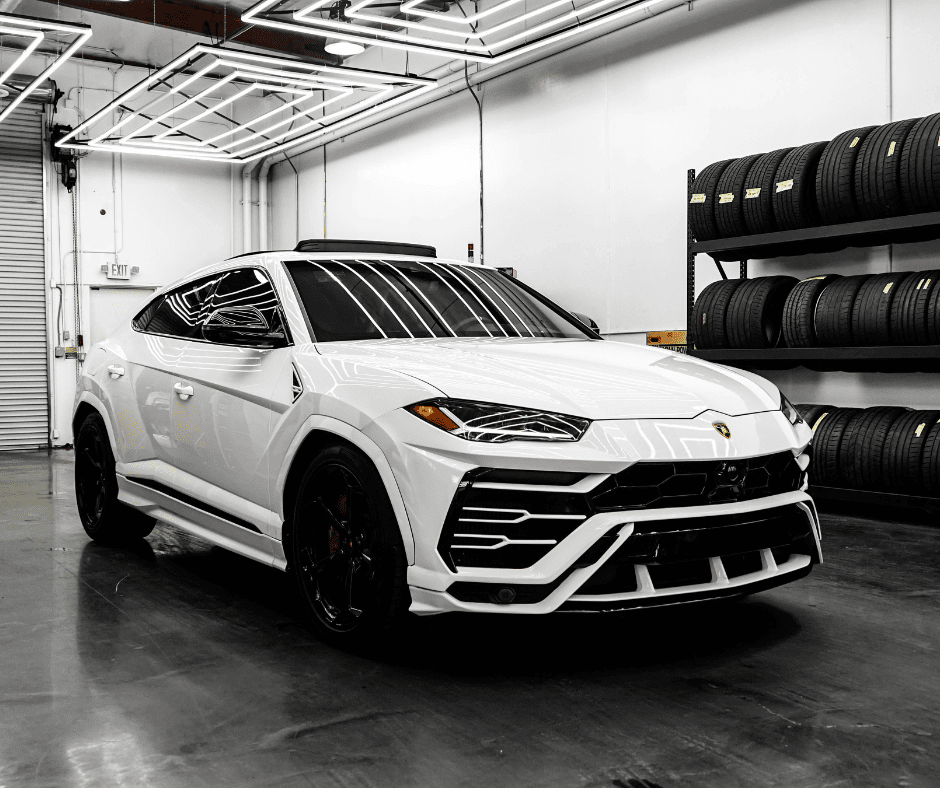
Window tinting has become an essential upgrade for vehicle owners seeking to enhance their driving experience. By applying a thin film to your car’s windows, you can enjoy a range of advantages that go beyond mere aesthetics. Whether you’re looking to improve comfort, boost security, or increase energy efficiency, window tinting offers valuable benefits tailored to your needs. Key Takeaways Enhanced Comfort and Reduced Glare One of the primary benefits of window tinting is the significant reduction in interior heat and glare. Tinted windows block a substantial portion of the sun’s infrared rays, preventing your vehicle from heating up excessively during sunny days. This not only makes your driving experience more comfortable but also reduces the reliance on air conditioning, thereby saving fuel and lowering energy consumption. Additionally, window tinting minimizes glare from the sun and headlights, enhancing visibility and reducing eye strain. This is particularly beneficial for long drives and night-time driving, contributing to overall road safety. Increased Privacy and Enhanced Security Window tinting provides an added layer of privacy by making it difficult for outsiders to see inside your vehicle. This is especially useful for safeguarding personal belongings and preventing potential theft. The darkened windows act as a deterrent, discouraging opportunistic theft and vandalism. Furthermore, quality window tint films can strengthen your windows, making them more resistant to shattering upon impact. In the event of an accident or attempted break-in, the tinted film holds the glass together, reducing the risk of injury from shattered glass fragments. Protection from Harmful UV Rays Prolonged exposure to ultraviolet (UV) rays can lead to various health issues, including skin cancer and eye damage. Understanding what UV protection has to do with window film is essential for making informed decisions about your vehicle’s safety. Window tinting significantly blocks up to 99% of harmful UV rays, providing essential protection for you and your passengers. This UV protection also helps prevent the fading and deterioration of your vehicle’s interior materials, such as upholstery and dashboard components, maintaining your car’s resale value. Enhanced Energy Efficiency and Fuel Savings By reducing the amount of heat entering your vehicle, window tinting lowers the demand for air conditioning. This results in decreased fuel consumption and improved fuel efficiency, translating to cost savings over time. Additionally, maintaining a cooler interior reduces the strain on your vehicle’s HVAC system, potentially extending its lifespan and reducing maintenance costs. Aesthetic Appeal and Customisation Window tinting offers a sleek and sophisticated look, enhancing the overall aesthetic appeal of your vehicle. With various tint shades and finishes available, you can customise the appearance of your car to match your personal style and preferences. Whether you prefer a subtle tint or a more pronounced shade, window tinting allows for a personalised touch that sets your vehicle apart. Increased Resale Value Investing in window tinting can positively impact your vehicle’s resale value. A well-maintained, tinted car is often perceived as more attractive and well-cared-for by potential buyers. The added benefits of comfort, privacy, and UV protection make window tinting a desirable feature, potentially increasing your vehicle’s market value. Learn about the specific reasons to tint your luxury vehicle to maximize protection and value. Legal Compliance and Safety It’s essential to adhere to local regulations regarding window tinting to ensure legal compliance. Properly installed window tint films meet safety standards and prevent excessive darkness that could impair visibility for the driver and other road users. Understanding the difference between quality car tint and cheap tint ensures you invest in compliant, long-lasting protection. By choosing professional window tinting services, you can ensure that your vehicle complies with local laws while enjoying the associated benefits. Conclusion Window tinting offers a multitude of benefits that enhance your vehicle’s functionality, comfort, and appearance. From reducing interior heat and glare to providing essential UV protection and increasing privacy, tinted windows are a valuable investment for any car owner. Additionally, the aesthetic appeal and potential resale value make window tinting a practical and stylish choice. By understanding and utilising these advantages, you can significantly improve your driving experience and protect your vehicle for years to come.
Paint Protection Film vs Ceramic Coating

When it comes to safeguarding your vehicle’s paint and maintaining its pristine appearance, two popular options often come into consideration: Paint Protection Film (PPF) and Ceramic Coating in San Antonio. Understanding the distinctions between these protective solutions is essential for making an informed decision that aligns with your vehicle care needs. Key Takeaways Understanding Paint Protection Film Paint Protection Film, commonly referred to as PPF, is a transparent thermoplastic urethane film applied to a vehicle’s exterior surfaces. Its primary function is to shield the paint from physical damage such as stone chips, scratches, and minor abrasions. PPF is especially beneficial for high-impact areas like the front bumper, hood, and side mirrors. Benefits of Paint Protection Film Considerations for Paint Protection Film Exploring Ceramic Coating Ceramic Coating is a liquid polymer applied to the vehicle’s paint. Upon curing, it forms a semi-permanent bond with the surface, creating a protective layer that enhances gloss and provides hydrophobic properties. This coating repels water, dirt, and other contaminants, making the vehicle easier to clean. To understand all the advantages this protection offers, explore the comprehensive benefits of ceramic coating for your vehicle. Benefits of Ceramic Coating Considerations for Ceramic Coating Paint Protection Film vs Ceramic Coating: Detailed Comparison To help you decide between Paint Protection Film and Ceramic Coating, let’s examine key factors that differentiate the two options: Feature Paint Protection Film (PPF) Ceramic Coating Protection Level High physical protection against scratches and chips Moderate protection against minor scratches Appearance Transparent, can have a matte or glossy finish Enhances paint gloss and shine Durability 5-10 years with proper maintenance 2-5 years depending on the product Maintenance Requires regular cleaning; film may need repairs Easier to clean; hydrophobic properties reduce dirt buildup Cost Higher initial cost due to materials and installation More affordable upfront but may need reapplication Installation Professional installation recommended Can be DIY but professional application ensures better results Resale Value Preserves paint condition effectively Enhances appearance, may slightly preserve paint It’s important to note that ceramic coating does not protect against rock chips the way PPF does. While ceramic coating excels at chemical and UV protection, PPF provides superior physical impact resistance Protection Level PPF offers superior protection against physical damage such as stone chips and scratches, making it ideal for drivers frequently encountering harsh road conditions. Ceramic Coating, while providing a protective layer, excels more in chemical resistance and maintaining paint aesthetics rather than preventing physical abrasions. Appearance Ceramic Coating enhances the vehicle’s paint with a glossy, mirror-like finish, highlighting the colour and depth of the paint. PPF, on the other hand, maintains the original appearance of the paint but can also be customized with different finishes if desired. Durability PPF generally has a longer lifespan, lasting between 5 to 10 years with proper care. Ceramic Coating lasts between 2 to 5 years, depending on the product quality and maintenance habits. The longer durability of PPF makes it a cost-effective choice over time despite the higher initial investment. Maintenance Both PPF and Ceramic Coating simplify vehicle maintenance. PPF requires regular cleaning to prevent dirt and grime buildup, which can affect the film’s clarity and protection. Ceramic Coating’s hydrophobic properties make washing easier and reduce the frequency of cleaning needed. Cost PPF tends to have a higher upfront cost due to the price of materials and the need for professional installation. Ceramic Coating is generally more affordable initially but may require periodic reapplication to maintain its protective qualities. Choosing the Right Option for Your Vehicle Selecting between Paint Protection Film and Ceramic Coating depends on your specific needs and priorities: Conclusion Both Paint Protection Film and Ceramic Coating offer valuable protection and aesthetic enhancements for your vehicle. Paint Protection Film excels in providing robust physical protection, making it ideal for those seeking long-term preservation of their vehicle’s exterior. Ceramic Coating, with its superior gloss and ease of maintenance, is perfect for enhancing your vehicle’s appearance and simplifying upkeep. Assess your priorities, budget, and maintenance preferences to choose the solution that best aligns with your vehicle care goals.
5 Signs Your Ceramic Coating Needs Maintenance

Maintaining your ceramic coating in San Antonio is essential to ensure your vehicle continues to shine and stay protected. Even the most durable coatings require upkeep to perform optimally. Recognising when your ceramic coating needs maintenance can save you time and money while preserving your vehicle’s appearance. Key Takeaways 1. Decreased Water Beading One of the primary benefits of ceramic coating is its hydrophobic nature, which causes water to bead and slide off the vehicle’s surface effortlessly. If you notice that water no longer forms beads or tends to spread across the surface, use these methods to check if your ceramic coating is still working before performing maintenance. Reduced water beading can indicate that the coating’s hydrophobic properties are diminishing, making your car more susceptible to water spots and contaminants. Maintenance Tip: Regularly wash your vehicle using pH-neutral shampoos and apply maintenance sprays designed for ceramic coatings to restore hydrophobicity. 2. Surface Contamination Over time, environmental factors such as dust, bird droppings, tree sap, and chemical contaminants can accumulate on your vehicle’s surface. While ceramic coatings offer a protective barrier, they are not entirely immune to contamination. If you observe stubborn spots or residues that are difficult to remove with standard washing, it may signify that the coating needs maintenance. Maintenance Tip: Use a clay bar treatment to gently remove embedded contaminants without damaging the ceramic layer, followed by a protective spray to maintain the coating’s integrity. 3. Diminished Gloss and Shine A high-gloss finish is a hallmark of a well-maintained ceramic coating. If your vehicle starts to look dull or lacks its former shine, this could indicate that the coating is no longer performing effectively. Environmental exposure, improper cleaning techniques, and natural wear can contribute to the loss of gloss over time. Maintenance Tip: Polish your vehicle with a non-abrasive polish to enhance the shine, and consider applying a booster spray to rejuvenate the coating’s glossy appearance. For severe cases, proper surface preparation may be needed before reapplication 4. Weakened Hydrophobic Properties Ceramic coatings are designed to repel water and resist environmental contaminants. If you notice that water droplets are not sliding off as easily or that your vehicle is taking longer to dry after washing, the hydrophobic properties of the coating may be weakening. This reduction in water resistance can lead to increased vulnerability to water spots and corrosion. Maintenance Tip: Apply a ceramic coating maintenance spray to replenish the hydrophobic layer and restore water-repellent properties. Ensure you follow the manufacturer’s instructions for optimal results. 5. Visible Scratches and Swirl Marks While ceramic coatings provide a degree of protection against minor scratches and swirl marks, excessive or deep imperfections can indicate that the coating is no longer effective. If you start to see an increase in visible scratches or swirl marks, it may be time to assess the condition of your ceramic coating. Maintenance Tip: Perform a gentle buffing using a microfiber cloth to minimize minor scratches. For more significant imperfections, consider reapplying a ceramic coating to restore full protection. Conclusion Regular maintenance of your ceramic coating is crucial to preserve your vehicle’s appearance and protective benefits that ceramic coatings provide. By recognising the five key signs that your ceramic coating needs attention, you can take proactive steps to maintain its effectiveness. Proper upkeep not only enhances the longevity of the coating but also ensures your vehicle remains looking its best. For expert advice and professional ceramic coating maintenance services, consider reaching out to local specialists who can provide tailored solutions to keep your vehicle in pristine condition.
Why Professional Ceramic Coating Beats DIY Kits?
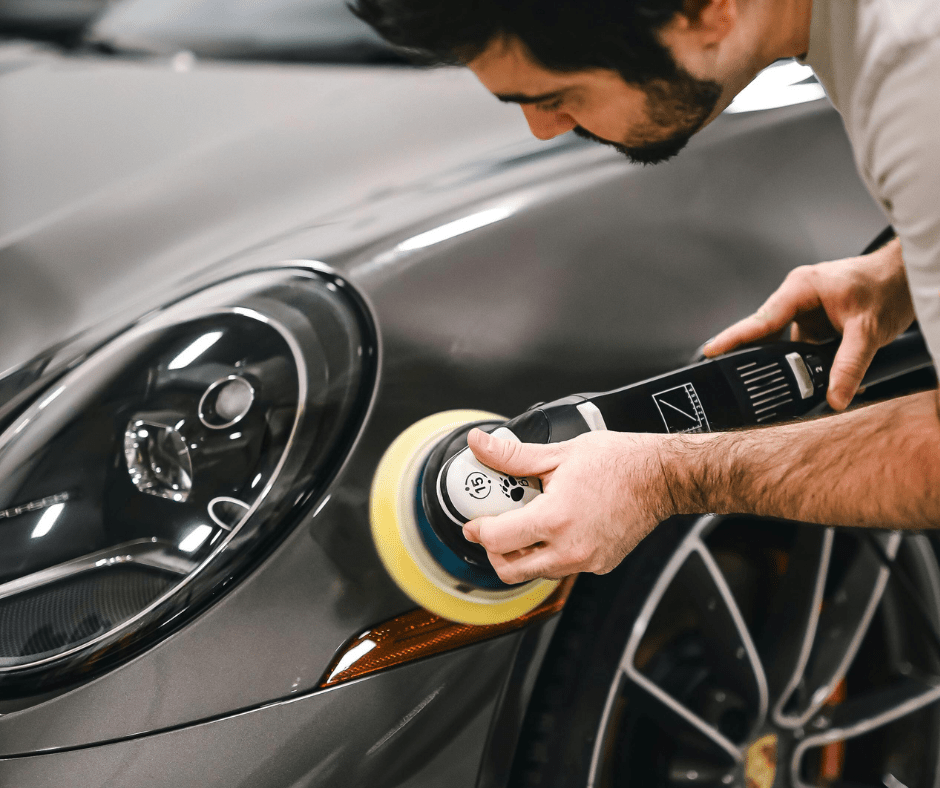
When it comes to safeguarding your vehicle’s paint and maintaining its showroom shine, ceramic coating service stands out as a premier solution. However, with the rise of DIY ceramic coating kits, many vehicle owners are left wondering which option truly offers the best protection and value. This article explores why opting for a professional ceramic coating service is a superior choice compared to DIY kits. Key Takeaways The Superiority of Professional Ceramic Coating Enhanced Durability and Protection Professional ceramic coatings are formulated with high-grade materials that provide a robust shield against environmental contaminants. Unlike DIY kits, which often use diluted or lower-quality products, professional coatings ensure a thicker, more resilient layer. This advanced protection guards against UV rays, acid rain, bird droppings, and road salts, significantly reducing the risk of paint damage and fading over time. Expert Application Process Applying ceramic coating is a meticulous process that requires precision and expertise. Professional detailers at Alamo Auto Aesthetics undergo extensive training to prepare the vehicle’s surface, correct any paint imperfections, and apply the coating evenly. This expertise ensures that the coating bonds properly with the paint, maximizing its effectiveness and longevity. DIY applications, on the other hand, are prone to errors such as uneven coverage and high spots, air bubbles, and insufficient surface preparation, which can compromise the coating’s performance. Long-Term Cost Efficiency While professional ceramic coatings come with a higher upfront cost compared to DIY kits, they offer greater long-term value. The enhanced durability means fewer applications are needed over the vehicle’s lifespan, reducing ongoing maintenance costs. Additionally, the superior protection helps preserve the vehicle’s resale value by maintaining its pristine appearance and preventing costly paint repairs. Access to Premium Products and Technology Professional services have access to top-tier ceramic coating products that are not available to the general public. These high-performance formulations provide superior hydrophobic properties, making the vehicle easier to clean and less susceptible to water spots and stains. Moreover, professionals use advanced application tools and techniques that ensure an optimal bond between the coating and the vehicle’s surface, something that DIY kits cannot replicate. Comprehensive Vehicle Care Opting for a professional ceramic coating service includes a thorough preparation and finishing process that goes beyond just applying the coating. This often involves detailing services such as paint correction, polishing, and thorough cleaning to ensure the best possible surface for coating application. In addition, professionals provide tailored maintenance plans and guidance to help vehicle owners preserve the coating’s effectiveness, ensuring sustained protection and shine. Comparative Overview: Professional vs. DIY Ceramic Coating Feature Professional Ceramic Coating DIY Ceramic Coating Kits Durability High, lasting several years Moderate, typically lasts a year Application Quality Expertly applied, flawless finish Variable, prone to inconsistencies Product Quality Premium, high-performance formulas Basic, often diluted formulas Cost Higher initial investment Lower upfront cost Maintenance Guidance Comprehensive, expert advice Limited instructions Protection Level Superior against elements and wear Basic protection The Importance of Surface Preparation One of the critical factors that distinguish professional ceramic coating from DIY kits is the level of surface preparation involved. Professional detailers meticulously clean, polish, and decontaminate the vehicle’s surface to ensure that the ceramic coating bonds correctly and performs optimally. This process includes removing existing contaminants through proper ceramic coating preparation, such as tar, grease, and oxidation, as well as correcting paint imperfections through techniques like machine polishing. DIY kits often skip these essential steps or rely on less effective methods, resulting in compromised coating performance and reduced protection. Longevity and Maintenance Professional ceramic coatings are designed to last significantly longer than their DIY counterparts. With proper application and maintenance, a professionally applied coating can provide protection for up to five years or more, learn how to tell if your ceramic coating is still working to monitor its effectiveness Professionals also offer maintenance services and products that help preserve the coating’s integrity, such as specialized cleaning solutions and periodic reapplications. In contrast, DIY kits typically require more frequent reapplication and offer limited support for maintaining the coating, leading to increased effort and cost over time. Enhanced Aesthetic Appeal Beyond protection, professional ceramic coatings enhance the vehicle’s aesthetic appeal by providing a deep, glossy finish that accentuates the paint’s colour and depth. The superior hydrophobic properties ensure that water and debris bead off the surface, maintaining a clean and shiny appearance with minimal effort. Professional applications achieve a more uniform and lustrous finish compared to DIY kits, which can result in patchy or streaky appearances if not applied correctly. Resale Value Preservation Investing in a professional ceramic coating not only protects your vehicle but also preserves its resale value. A well-maintained exterior with a pristine paint finish is highly attractive to potential buyers and can significantly increase the vehicle’s market value. Professional coatings prevent common paint issues such as fading, scratching, and staining, ensuring that the vehicle remains in excellent condition for longer. DIY kits, while providing some level of protection, do not offer the same degree of preservation, potentially impacting the vehicle’s resale value negatively. Environmental Considerations Professional ceramic coating services adhere to industry standards and environmental regulations, ensuring that the products and application methods used are safe for both the vehicle and the environment. High-quality coatings are formulated to be environmentally friendly, reducing harmful emissions and waste. DIY kits may not always meet these standards, potentially leading to the use of less eco-friendly products and practices. Conclusion Choosing between professional ceramic coating and DIY kits ultimately depends on the level of protection, quality, and long-term value you seek for your vehicle. While DIY kits offer a more affordable and accessible option, they fall short in durability, protection, and aesthetic quality compared to professional services. Investing in a professional ceramic coating from experts like Alamo Auto Aesthetics ensures that your vehicle receives the highest standard of care, providing superior protection, enhanced appearance, and lasting value. For those who prioritise their vehicle’s appearance and longevity, professional ceramic coating is undeniably the better choice.
Ceramic Coating Preparation: Ensuring a Flawless Finish
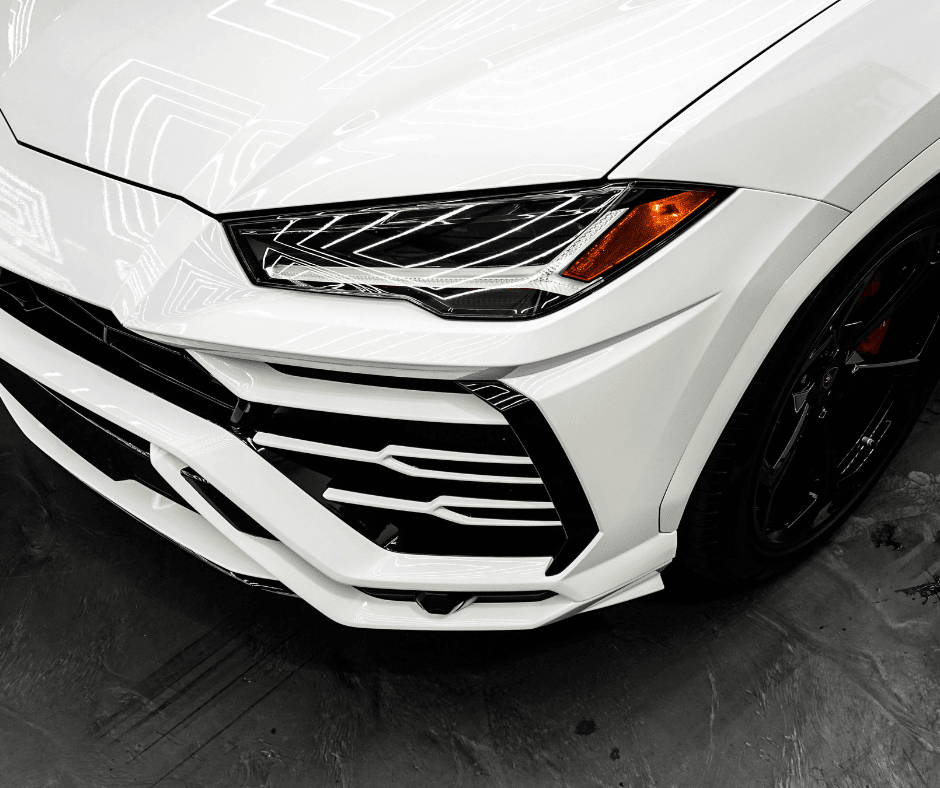
Achieving a long-lasting and stunning ceramic coating in San Antonio starts long before the actual application. Proper preparation is crucial to ensure the coating bonds effectively with your vehicle’s surface, providing maximum protection and shine. This guide outlines the essential steps to prepare your car for ceramic coating, ensuring a flawless and durable finish. Key Takeaways Step-by-Step Guide to Preparing Your Vehicle for Ceramic Coating 1. Comprehensive Washing The first step in ceramic coating preparation is a meticulous wash. Use a pH-neutral car shampoo to eliminate surface dirt and debris without stripping the paint. Pay special attention to areas like wheel wells and undercarriages where grime tends to accumulate. Tools & Products: 2. Paint Correction Even minor imperfections can affect the final appearance of the ceramic coating. Paint correction involves polishing the paint to remove swirl marks, scratches, and oxidation, ensuring a smooth and flawless surface. Techniques: 3. Surface Decontamination After washing and paint correction, it’s essential to remove embedded contaminants that washing alone can’t eliminate. Use iron removers and tar removers to dissolve and lift these stubborn particles. Tools & Products: 4. Clay Bar Treatment A clay bar is used to remove bonded contaminants from the paint surface, providing an ultra-smooth finish. Glide the clay bar over the surface with a lubricant to pick up any remaining impurities. Tools & Products: 5. Polishing Polishing enhances the paint’s clarity and prepares it for ceramic coating application. This step ensures that the surface is as smooth as possible, allowing the coating to bond effectively. Techniques: 6. Final Inspection Before applying the ceramic coating, perform a thorough inspection to ensure the surface is free from imperfections and contaminants. Address any remaining issues to guarantee the best possible outcome. Checklist: 7. Application of Ceramic Coating With the surface impeccably prepared, the ceramic coating can now be applied. Follow the manufacturer’s instructions carefully, ensuring even coverage and proper curing for maximum durability. Tools & Products: Common Mistakes to Avoid These preparation complexities are why professional ceramic coating applications outperform DIY kits in both appearance and longevity Tips for Optimal Results Conclusion Proper preparation is the foundation of a successful ceramic coating application. By following these detailed steps—from thorough washing and paint correction to surface decontamination and polishing—you ensure that the ceramic coating adheres correctly and delivers long-lasting protection and shine. Investing time in preparation not only enhances the appearance of your vehicle but also extends the life of the ceramic coating, ensuring you experience all the benefits of ceramic coating for years to come. For more expert tips and professional detailing services, feel free to explore our other blog posts or contact us.
The Best Floor Mats For Your Vehicle

Ensuring your vehicle stays clean and well-maintained starts from the ground up. Choosing the best floor mats for your vehicle not only protects the interior but also enhances overall comfort and style. At Alamo Auto Aesthetics in San Antonio, we believe that complete vehicle care extends beyond exterior services, which is why our auto detailing in San Antonio focuses on delivering both interior protection and long-term cleanliness. This guide provides everything you need to make an informed decision. Key Takeaways Why Quality Floor Mats Are Essential? Floor mats play a crucial role in preserving the condition of your vehicle’s interior. They act as a barrier against moisture, dirt, and debris that can cause damage to the flooring over time. Floor mats are an integral part of why car detailing and maintenance are important for preserving your vehicle’s overall condition. Additionally, quality mats can enhance the overall look of your vehicle, providing a polished and sophisticated appearance. Types of Floor Mats Available 1. Rubber Floor Mats Rubber mats are renowned for their durability and water-resistant properties. They are ideal for regions with harsh weather conditions or for drivers who frequently transport pets or engage in outdoor activities. Pros: Cons: 2. Carpet Floor Mats Carpet mats provide a more refined and luxurious look. They are perfect for those who prioritise the interior aesthetics of their vehicle. Pros: Cons: 3. Hybrid Floor Mats Hybrid mats combine the best of both rubber and carpet mats. They offer durability with added comfort and style. Pros: Cons: 4. All-Weather Floor Mats Designed to handle extreme conditions, all-weather mats are perfect for vehicles exposed to diverse environments. Pros: Cons: Factors to Consider When Choosing Floor Mats 1. Vehicle Compatibility Ensure the floor mats are specifically designed for your vehicle make and model. Custom-fit mats provide better coverage and protection. 2. Material Consider the climate and your lifestyle. Rubber and all-weather mats are suitable for harsh conditions, while carpet mats are ideal for milder climates and a more elegant look. 3. Maintenance Opt for mats that are easy to clean and maintain. Rubber mats can be hosed down, whereas carpet mats may require vacuuming and spot cleaning. 4. Installation Look for mats with non-slip backing and easy installation features. Quick-release clips can make removing and cleaning the mats more convenient. 5. Aesthetics Choose mats that complement your vehicle’s interior. Available in various colours and designs, mats can enhance the overall appearance of your car. While maintaining your vehicle’s interior with quality floor mats, don’t forget exterior care, for this learn how to safely remove tree sap, bird droppings, and bugs to keep your entire vehicle in pristine condition. Top Recommended Floor Mats for Different Vehicle Types Type of Vehicle Recommended Floor Mats Key Features Sedans All-Weather Carpet Mats Stylish, easy to clean, custom fit SUVs Heavy-Duty Rubber Mats Superior protection, durable Trucks Floor Liners Maximum coverage, rugged design Luxury Cars Premium Carpet Mats High-end materials, elegant look Compact Cars Universal Fit Mats Versatile, affordable Installation and Maintenance Tips Installation Maintenance FAQs – Vehicle Floor Mats Conclusion Choosing the best floor mats for your vehicle is a vital step in maintaining its interior and overall value. By considering factors such as material, vehicle compatibility, and ease of maintenance, you can select mats that not only protect your car but also enhance its aesthetic appeal. Whether you prefer the durability of rubber, the elegance of carpet, or the versatility of hybrid mats, there’s an option to suit every driver’s needs. Invest in quality floor mats today to ensure your vehicle remains pristine for years to come.
How to Remove Pet Hair From Your Vehicle
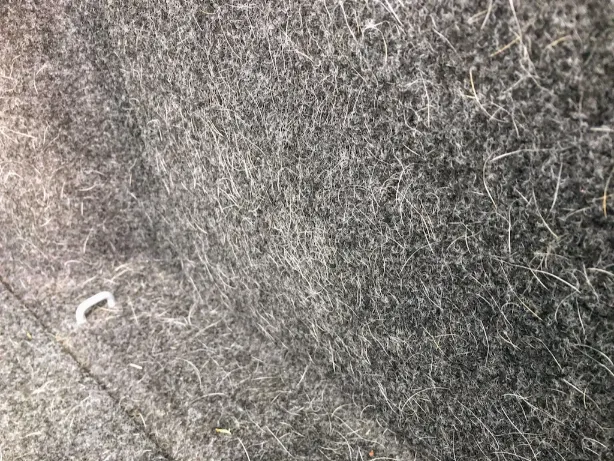
Keeping your vehicle spotless can be a challenge, especially when you have furry friends who love car rides. Pet hair not only clings to your car’s interior but can also be stubborn to remove. Professional auto detailing services offer specialized interior cleaning that tackles even the most stubborn pet hair, but this guide will help you maintain a clean environment between professional treatments. This guide provides effective strategies to help you eliminate pet hair from your vehicle, ensuring a clean and comfortable environment for both you and your pets. Key Takeaways Tools You’ll Need To efficiently remove pet hair from your vehicle, gather the following tools: Step-by-Step Guide to Removing Pet Hair 1. Start with a Thorough Vacuuming Begin by vacuuming your vehicle’s interior to remove loose pet hair. Use a vacuum cleaner equipped with a motorized brush attachment to agitate the fabric and lift the hair effectively. Pay special attention to: 2. Utilize Lint Rollers for Quick Pick-Up After vacuuming, use lint rollers to tackle any remaining hair. Roll the adhesive sheet over the surfaces, applying firm pressure to lift the hair. Replace the sheets as they become full to maintain effectiveness. 3. Apply Rubber Gloves for Sticky Hair Rubber gloves can be surprisingly effective for removing pet hair. Lightly dampen the gloves and run your hands over the surfaces. The hair will cling to the gloves, allowing you to gather and dispose of it easily. 4. Use Upholstery Cleaners for Deep Cleaning For stubborn pet hair and stains, apply a fabric-safe upholstery cleaner. Spray the cleaner onto the affected area and use a brush or microfiber cloth to work it into the fabric. This helps to break down the hair and make it easier to remove. 5. Protect Your Vehicle to Prevent Future Buildup Implementing protective measures can significantly reduce the amount of pet hair in your vehicle: Additional Tips for Maintaining a Hair-Free Vehicle While focusing on interior cleanliness, don’t neglect your exterior, if your car’s paint feels rough after washing, it may need decontamination treatment to restore its smooth finish. Table: Comparison of Pet Hair Removal Tools Tool Pros Cons Vacuum Cleaner Powerful suction, versatile attachments Requires electricity, bulky Lint Rollers Quick and easy to use, portable Limited use, ongoing cost for sheets Rubber Gloves Cost-effective, reusable Manual effort required Upholstery Cleaners Deep cleaning, removes stains Requires additional tools, drying time Microfiber Cloths Gentle on surfaces, reusable May not remove all hair types Conclusion Removing pet hair from your vehicle doesn’t have to be a daunting task, but it’s just one aspect of why car detailing is important for maintaining your vehicle’s value and comfort. By using the right tools and maintaining a regular cleaning routine, you can keep your car interior clean and comfortable for both you and your pets. Implement these strategies to enjoy a hair-free driving experience and prolong the life of your vehicle’s upholstery. By following these comprehensive steps, you can effectively manage and remove pet hair from your vehicle, ensuring a pleasant and hygienic environment every time you hit the road.
